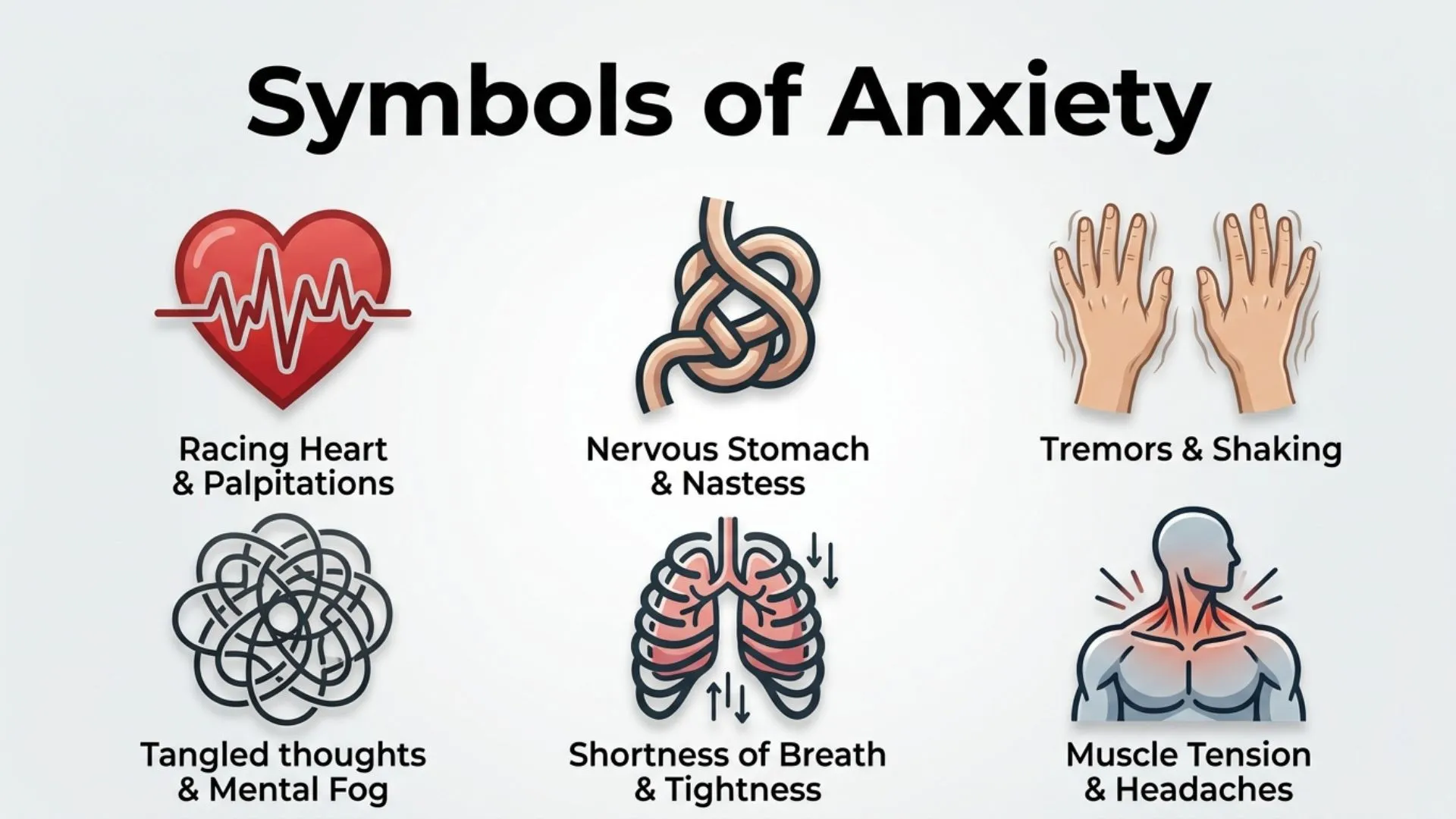
Anxiety is one of the most common mental health experiences worldwide, affecting people of all ages and backgrounds. While anxiety itself cannot be seen, many visual symbols have emerged over time to represent its emotional, psychological, and physical impact.
These symbols of anxiety appear in art, mental health awareness campaigns, tattoos, jewelry, literature, and digital communication, helping people express emotions that are often difficult to describe with words.
Some anxiety symbols originate from ancient traditions, while others have developed through modern psychology, advocacy movements, and personal artistic expression. Unlike official medical emblems, these symbols are symbolic representations of emotional experiences such as fear, uncertainty, resilience, healing, and hope.
This guide explores the most recognized symbols of anxiety, their meanings, historical backgrounds, cultural significance, practical uses, and common misconceptions. Whether you’re looking for a meaningful tattoo, creating awareness content, or simply learning about mental health symbolism, this article provides a comprehensive overview.
Symbols of Anxiety (Meaning and Overview)
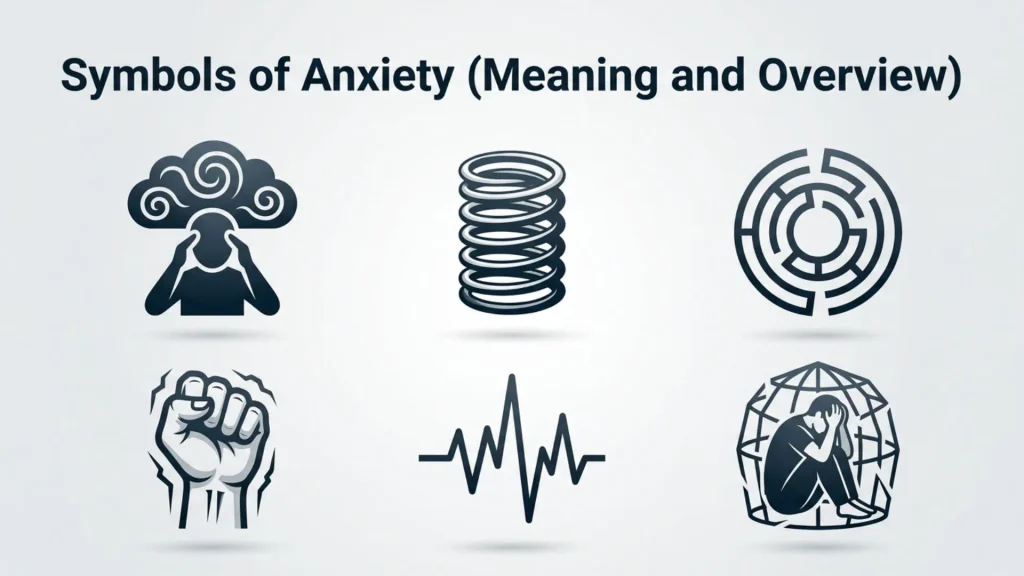
Symbols of anxiety are visual representations used to express the emotional challenges associated with stress, worry, fear, nervousness, and mental health struggles. While there is no universally accepted official anxiety symbol, several icons have become widely recognized through advocacy, therapy, art, and personal storytelling.
These symbols often represent more than anxiety itself. Many also communicate healing, courage, emotional resilience, self-awareness, recovery, and hope.
Today, anxiety-related symbols appear in:
- Mental health awareness campaigns
- Tattoos
- Jewelry
- Support group logos
- Artwork
- Educational materials
- Social media graphics
- Digital communication
- Decorative designs
Rather than defining a person by their condition, these symbols often remind individuals of their strength and progress.
History and Origin
Unlike many religious or national symbols, anxiety symbols do not originate from a single historical event or culture. Instead, they evolved through several influences, including psychology, art, philosophy, and modern mental health advocacy.
Ancient civilizations used imagery to represent emotional turmoil, uncertainty, and inner conflict. Greek mythology often depicted fear through symbolic figures, while Eastern philosophies emphasized balance and mindfulness using natural symbols.
During the twentieth century, growing awareness of mental health encouraged artists, therapists, and advocacy organizations to create visual representations that reduced stigma and encouraged open conversations.
Today, many anxiety symbols are personal rather than official, allowing individuals to choose designs that reflect their own experiences and journeys.
Types of Symbols of Anxiety
Mental Health Awareness Symbols
These symbols are commonly used by advocacy organizations and awareness campaigns.
Examples include:
- Semicolon
- Green ribbon
- Butterfly
- Lotus flower
They emphasize hope, recovery, and support rather than anxiety itself.
Nature Symbols
Nature-inspired designs often symbolize emotional growth.
Popular examples include:
- Waves
- Mountains
- Trees
- Birds
- Leaves
These visual representations remind people that change and healing are natural parts of life.
Abstract Symbols
Many people choose minimalist artwork that reflects emotional experiences.
Examples include:
- Spirals
- Broken circles
- Labyrinths
- Continuous lines
- Geometric patterns
These designs allow for deeply personal interpretations.
The Semicolon
The semicolon (;) has become one of the most recognizable mental health symbols.
Symbol Meaning
In grammar, a semicolon indicates that a sentence continues rather than ending.
In mental health awareness, it represents choosing to continue life despite personal struggles.
Although it is strongly associated with suicide prevention, many individuals living with anxiety, depression, and other mental health conditions also embrace it as a symbol of hope, resilience, and perseverance.
Modern Usage
The semicolon appears in:
- Tattoos
- Jewelry
- Awareness campaigns
- Artwork
- Social media graphics
It serves as a powerful communication symbol encouraging conversations about mental health.
The Green Ribbon
Green is widely recognized as the international color of mental health awareness.
Symbolic Significance
The green ribbon represents:
- Mental health awareness
- Support
- Compassion
- Recovery
- Community
Many organizations use the ribbon during awareness events to reduce stigma surrounding anxiety and related conditions.
The Lotus Flower
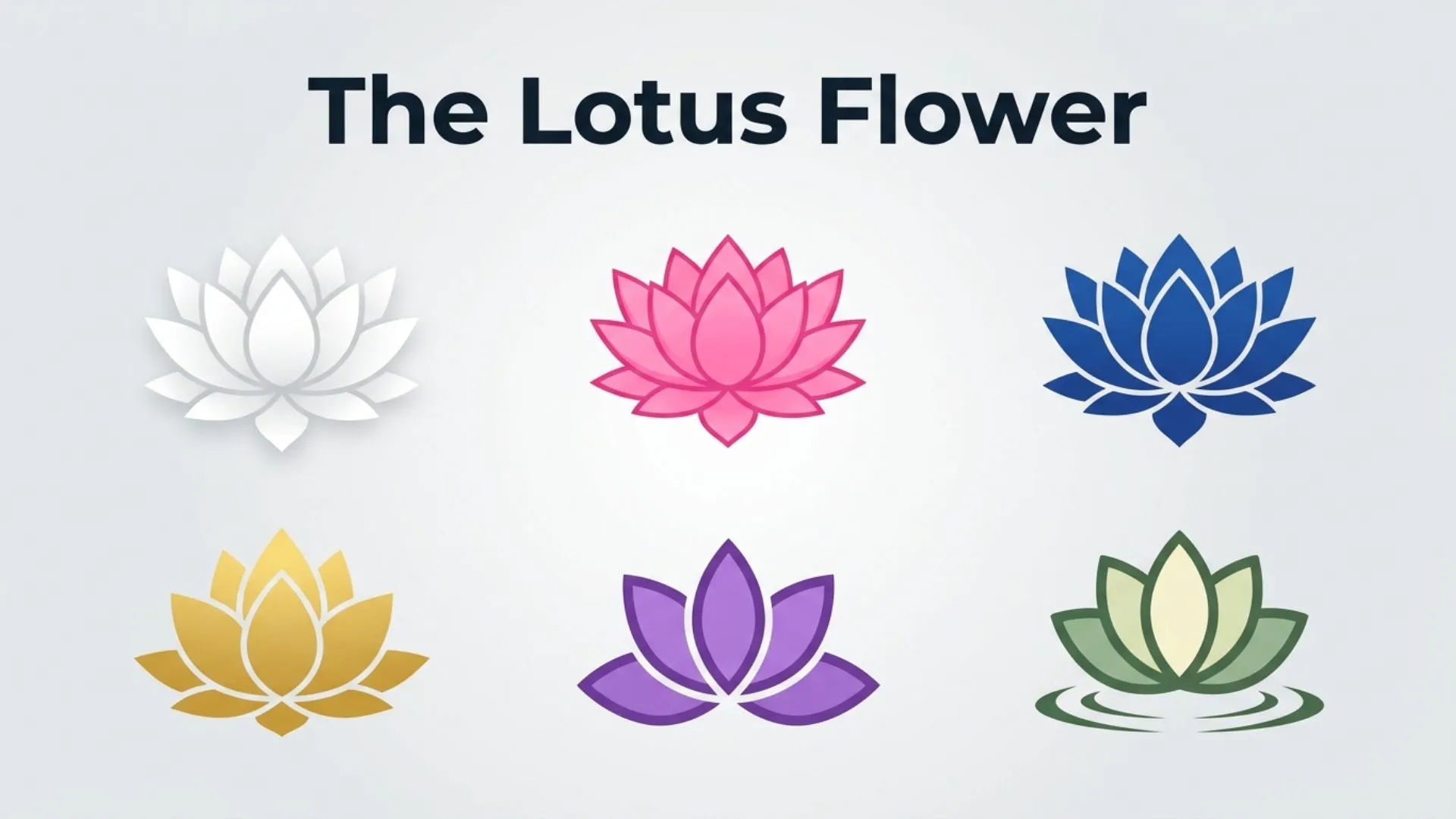
The lotus flower has become a meaningful symbol for many people managing anxiety.
Growing through muddy water before blooming beautifully, the lotus represents personal growth despite adversity.
What It Symbolizes
The lotus stands for:
- Emotional resilience
- Healing
- Inner peace
- Transformation
- Strength
Its cultural meaning is especially significant in Buddhist and Hindu traditions, where it symbolizes spiritual awakening.
Butterfly
Butterflies symbolize transformation and hope.
Because they undergo remarkable change during their life cycle, they have become popular symbols for overcoming emotional challenges.
They represent:
- Personal growth
- New beginnings
- Freedom
- Healing
- Positive change
Butterflies frequently appear in anxiety awareness artwork and tattoo designs.
Spiral
The spiral has multiple symbolic meanings.
For some individuals, it reflects racing thoughts and emotional overwhelm.
For others, it symbolizes personal growth and life’s ongoing journey.
Because interpretations vary, the spiral remains a deeply personal visual representation.
Labyrinth
Unlike a maze, a labyrinth contains a single path leading inward and back out again.
Its symbolism includes:
- Self-discovery
- Reflection
- Healing
- Patience
- Mindfulness
Walking labyrinths are sometimes used as meditative tools to reduce stress and anxiety.
Waves
Ocean waves symbolize changing emotions.
Like anxiety itself, waves rise and fall rather than remaining constant.
Many people find comfort in this reminder that difficult feelings are temporary.
Waves commonly symbolize:
- Acceptance
- Emotional balance
- Calm after struggle
- Resilience
Mountains
Mountains represent perseverance and overcoming challenges.
Climbing a mountain requires patience, determination, and endurance, making it an appropriate symbolic representation of living with anxiety.
Trees
Trees symbolize stability even during storms.
Their deep roots remind people to remain grounded while facing life’s uncertainties.
Common meanings include:
- Strength
- Growth
- Balance
- Endurance
- Hope
Feathers
Feathers often symbolize lightness and emotional freedom.
Many individuals choose feather designs to represent letting go of fear and embracing healing.
Broken Circle
A broken circle may symbolize emotional struggle while also representing openness to healing and change.
Unlike a closed circle, it acknowledges imperfection without suggesting failure.
Common Uses and Applications
Symbols of anxiety are used in many meaningful ways.
Popular applications include:
- Awareness campaigns
- Mental health education
- Tattoo designs
- Bracelets
- Necklaces
- Support group materials
- Journals
- Art therapy
- Home décor
- Social media posts
- Digital wallpapers
Many people also use Unicode symbols and text symbols such as ♡, 🌱, 🌿, 🦋, 🌊, ✨, and ☀️ to express encouragement and emotional support in digital communication.
Symbolism, Significance, and Importance
The greatest importance of anxiety symbols lies in communication.
They help individuals:
- Express difficult emotions
- Reduce stigma
- Build community
- Encourage conversations
- Promote hope
- Celebrate progress
- Support healing
Rather than labeling someone by a diagnosis, these symbols emphasize resilience and personal growth.
They also remind families, friends, and communities that mental health deserves compassion and understanding.
How to Use Anxiety Symbols Respectfully
When using anxiety symbols, thoughtful consideration is important.
Understand the Meaning
Research a symbol before incorporating it into artwork or tattoos.
Respect Personal Interpretations
Different individuals may associate different meanings with the same symbol.
Avoid Stereotypes
Anxiety is a complex medical condition, not simply occasional nervousness.
Focus on Hope
Many modern anxiety symbols emphasize recovery, resilience, and support rather than suffering alone.
Interesting Facts
There Is No Official Universal Anxiety Symbol
Unlike medical emblems, anxiety does not have a single internationally recognized icon.
The Semicolon Represents Continuation
Its mental health meaning comes from punctuation rather than ancient symbolism.
Green Represents Mental Health Awareness
Many advocacy organizations use green during awareness campaigns.
Nature Symbols Are Increasingly Popular
Trees, waves, butterflies, and mountains have become common tattoo choices for people representing emotional healing.
Personal Meaning Often Matters Most
Many people create custom anxiety symbols that reflect their own experiences rather than traditional designs.
Art Therapy Frequently Uses Symbolism
Mental health professionals sometimes encourage symbolic artwork as a way to explore emotions nonverbally.
Common Mistakes and Misconceptions
Believing Every Anxiety Symbol Has Ancient Origins
Many modern symbols developed through advocacy and personal storytelling rather than historical traditions.
Assuming One Symbol Fits Everyone
People experience anxiety differently, so symbol preferences vary widely.
Confusing Awareness Symbols with Medical Logos
Mental health awareness symbols are generally symbolic rather than official clinical emblems.
Thinking Anxiety Symbols Only Represent Struggle
Most modern symbols emphasize hope, resilience, and recovery alongside emotional challenges.
Using Symbols Without Understanding Their Context
Learning the background of a symbol helps ensure respectful and meaningful use.
Frequently Asked Questions
What is the official symbol of anxiety?
There is no official universal symbol for anxiety. However, the semicolon, green ribbon, lotus flower, butterfly, and spiral are among the most recognized symbolic representations.
Why is the semicolon associated with anxiety?
The semicolon symbolizes choosing to continue life’s story. Although primarily connected to suicide prevention, it is also widely embraced by people living with anxiety and other mental health conditions.
What flower symbolizes anxiety recovery?
The lotus flower is commonly associated with healing, resilience, inner peace, and personal growth after emotional challenges.
Are butterflies symbols of anxiety?
Butterflies do not symbolize anxiety itself but rather transformation, hope, healing, and emotional recovery.
Can anxiety symbols be used as tattoos?
Yes. Many people choose meaningful tattoos such as semicolons, waves, butterflies, mountains, or lotus flowers to represent their personal journey with anxiety.
What color represents anxiety awareness?
Green is widely recognized as the color of mental health awareness and is commonly used in campaigns supporting individuals with anxiety and other mental health conditions.
Are anxiety symbols recognized worldwide?
While some symbols, such as the green ribbon, are internationally recognized, many anxiety symbols are personal and may vary across cultures and communities.
Conclusion
Symbols of anxiety provide meaningful ways to express experiences that are often difficult to put into words. Whether inspired by nature, mental health advocacy, spirituality, or personal creativity, these symbols communicate resilience, hope, healing, and the ongoing journey toward emotional well-being.
From the semicolon and green ribbon to the lotus flower, butterfly, waves, and mountains, each symbol carries unique significance while reminding us that anxiety does not define a person’s identity. Instead, these visual representations celebrate strength, encourage open conversations, and promote greater understanding of mental health. By appreciating their meanings and using them respectfully, we can help reduce stigma and foster a more compassionate and supportive world.

Ryan Mitchell is an independent writer with a strong interest in symbols, visual communication, and the meanings behind different signs and icons. His writing focuses on providing clear, accurate, and useful information that helps readers quickly understand unfamiliar symbols. Ethan covers a wide range of topics, from everyday and cultural symbols to technical and professional symbol systems.
His books include The World of Symbols, Symbols Explained Simply, and The Essential Symbol Reference Guide.