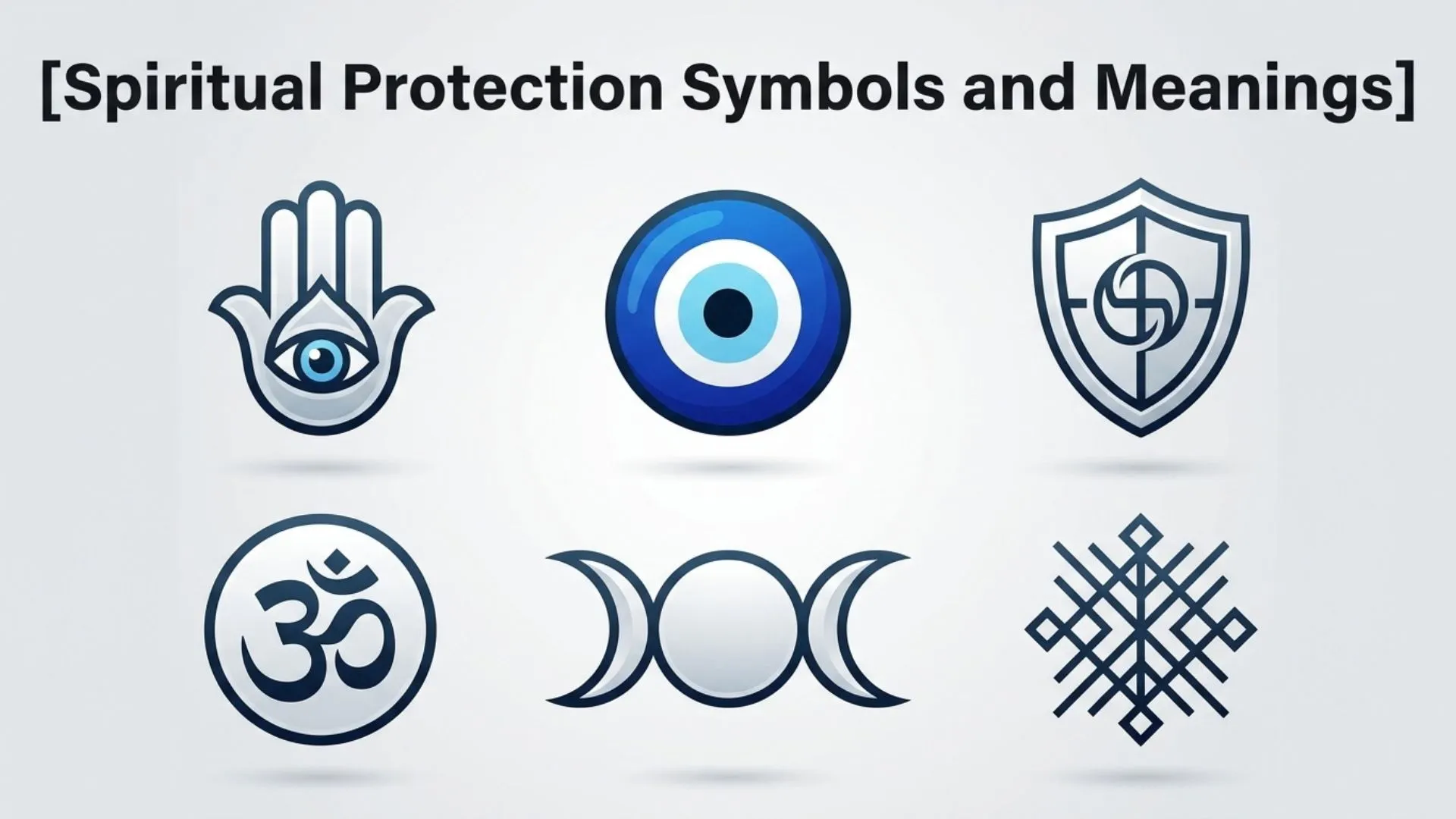
Throughout history, people from nearly every culture have used spiritual protection symbols to seek safety, strength, and peace. These sacred signs appear in ancient civilizations, religious traditions, folklore, and modern spiritual practices. Whether carved into stone, worn as jewelry, displayed in homes, or used during meditation, these symbols represent humanity’s enduring desire for protection against physical, emotional, and spiritual harm.
Understanding spiritual protection symbols and meanings goes beyond recognizing attractive designs. Each symbol carries a unique history, cultural meaning, and symbolic significance that reflects the beliefs of the people who created and preserved it. Some are associated with divine protection, while others symbolize inner resilience, wisdom, healing, or positive energy.
This comprehensive guide explores the origins, meanings, variations, and modern uses of the world’s most recognized spiritual protection symbols. Whether you’re researching their historical symbolism, looking for meaningful artwork, or simply expanding your knowledge, this article provides everything you need to know.
Spiritual Protection Symbols and Meanings (Meaning and Overview)
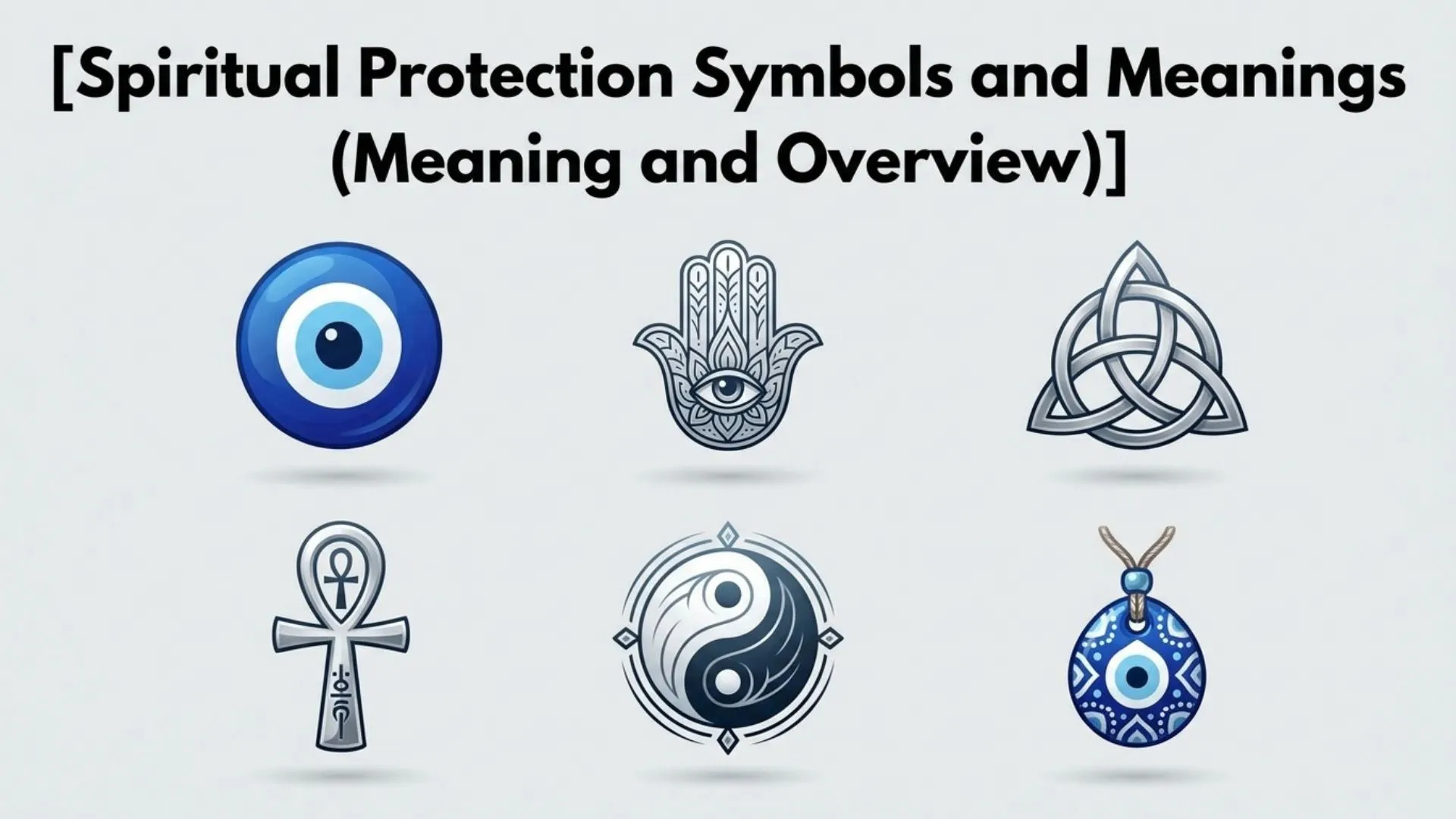
Spiritual protection symbols are visual representations believed to offer guidance, strength, safety, or spiritual support. Depending on the culture or religion, these symbols may represent divine guardianship, balance, purification, or protection from negative influences.
Unlike a standard Unicode symbol, text symbol, or typography symbol used in digital communication, spiritual symbols have deep cultural and historical roots. They function as meaningful icons rather than simple decorative characters.
Many traditions teach that these symbols are reminders of faith, courage, mindfulness, and spiritual awareness. While beliefs about their protective power vary, their importance often lies in what they represent rather than any inherent magical ability.
Today, spiritual protection symbols appear in artwork, architecture, jewelry, tattoos, meditation spaces, and home décor, where they continue to inspire millions of people around the world.
History and Origin
The use of sacred protection symbols dates back thousands of years. Ancient civilizations created symbolic representations to communicate religious beliefs, honor deities, and seek protection from danger.
Archaeological discoveries show protective symbols appearing in:
- Ancient Egypt
- Mesopotamia
- Greece
- Rome
- India
- China
- Celtic Europe
- Indigenous cultures worldwide
Many early societies believed that certain visual representations connected people with divine forces or natural powers. Symbols were carved onto temples, engraved into weapons, painted inside homes, and worn as personal amulets.
As civilizations evolved, these sacred signs became deeply integrated into religious traditions, including Christianity, Judaism, Islam, Hinduism, Buddhism, and various Indigenous belief systems. Although interpretations differ, the desire for spiritual protection remains remarkably universal.
Today, these symbols continue to evolve through modern usage while maintaining their traditional meaning and cultural significance.
Types, Variations, or Categories
Spiritual protection symbols generally fall into several broad categories.
Religious Protection Symbols
These symbols originate from organized faith traditions.
Examples include:
- Cross
- Star of David
- Hamsa
- Om (Aum)
- Dharma Wheel
- Crescent Moon
Each serves as a communication symbol expressing faith and divine guidance.
Ancient Protective Symbols
These signs were used long before modern religions.
Examples include:
- Eye of Horus
- Ankh
- Celtic Shield Knot
- Vegvísir
- Triskele
Many continue to inspire modern spiritual practices.
Nature-Based Symbols
Natural elements often symbolize protection and renewal.
Examples include:
- Tree of Life
- Lotus Flower
- Oak leaves
- Mountain symbols
- Sun
- Moon
These icons emphasize humanity’s connection with nature.
Geometric Sacred Symbols
Sacred geometry uses balanced shapes to express harmony and spiritual order.
Examples include:
- Flower of Life
- Sri Yantra
- Hexagram
- Circle
- Mandala
Their symmetrical designs often represent balance and unity.
Popular Spiritual Protection Symbols and Meanings
Hamsa Hand
The Hamsa Hand is among the world’s most recognizable spiritual protection symbols.
It typically depicts an open hand with an eye in the center.
Its symbolic significance includes:
- Protection
- Blessings
- Peace
- Strength
- Good fortune
The Hamsa appears in Middle Eastern, North African, Jewish, Islamic, and modern spiritual traditions.
Eye of Horus
Originating in Ancient Egypt, the Eye of Horus symbolizes healing, wisdom, protection, and restoration.
Historically, Egyptians believed it guarded both the living and the deceased. Today, it remains one of the most recognized protective icons worldwide.
Evil Eye Symbol
The Evil Eye symbol is designed to protect against harmful intentions or envy.
Found throughout Greece, Turkey, the Middle East, South Asia, and parts of Europe, this visual representation is commonly displayed in homes, vehicles, jewelry, and decorative items.
Its traditional meaning centers on deflecting negativity rather than attracting luck.
Tree of Life
The Tree of Life appears across numerous cultures.
Its branches, trunk, and roots symbolize:
- Growth
- Stability
- Wisdom
- Protection
- Connection between heaven and earth
It also represents resilience through life’s challenges.
Om (Aum)
Om is one of Hinduism’s most sacred symbols.
It represents:
- Universal consciousness
- Inner peace
- Spiritual awareness
- Divine creation
Many people include Om in meditation to encourage calmness and spiritual focus.
Cross
The Christian Cross symbolizes sacrifice, hope, redemption, and God’s protection.
For millions of believers, it serves as both a religious icon and a reminder of faith during difficult times.
Star of David
The Star of David consists of two overlapping triangles.
Within Judaism, it symbolizes:
- Divine protection
- Identity
- Unity
- Faith
It has become one of the most recognizable symbols of Jewish heritage.
Celtic Shield Knot
Unlike many Celtic designs, the Shield Knot has no beginning or end.
Its endless pattern represents:
- Eternal protection
- Loyalty
- Strength
- Family bonds
Historically, Celtic warriors incorporated similar designs into shields and stone carvings.
Vegvísir
Often called the Viking Compass, Vegvísir originates from Icelandic tradition.
According to later folklore, it symbolizes guidance and protection during difficult journeys.
Although often associated with Viking culture, historians note that surviving written references are much later than the Viking Age.
Lotus Flower
The Lotus grows through muddy water before blooming beautifully.
Its symbolic representation includes:
- Spiritual awakening
- Purity
- Protection
- Personal transformation
It remains an important symbol in Buddhism and Hinduism.
Common Uses and Applications
Spiritual protection symbols appear in many aspects of daily life.
Jewelry
Necklaces, bracelets, pendants, and rings frequently feature sacred protective symbols.
Many people wear them as reminders of faith, courage, or personal values rather than as guarantees of supernatural protection.
Home Decoration
Homes often display protective icons through:
- Wall art
- Sculptures
- Door hangings
- Decorative symbols
- Prayer spaces
These visual representations help create comforting environments.
Meditation and Mindfulness
Meditation practitioners sometimes focus on meaningful symbols to improve concentration and encourage emotional balance.
Religious Worship
Many symbols play important roles during prayer, worship services, festivals, and sacred ceremonies.
Tattoos
Protective symbols are popular tattoo designs because they carry lasting personal meaning and cultural significance.
Before choosing one, it is important to understand its history and respect its cultural origins.
Symbolism, Significance, and Importance
Spiritual protection symbols remain meaningful because they communicate timeless human values.
They remind people to remain hopeful during hardship.
They strengthen cultural identity and preserve historical symbolism.
They express faith, resilience, compassion, wisdom, and inner strength.
Many symbols also encourage mindfulness by helping individuals focus on positive intentions and personal growth.
Rather than functioning as magical objects, these sacred signs often inspire confidence through the beliefs and traditions attached to them.
Their enduring popularity demonstrates how symbolic communication continues to shape human culture across generations.
How to Use Spiritual Protection Symbols Respectfully
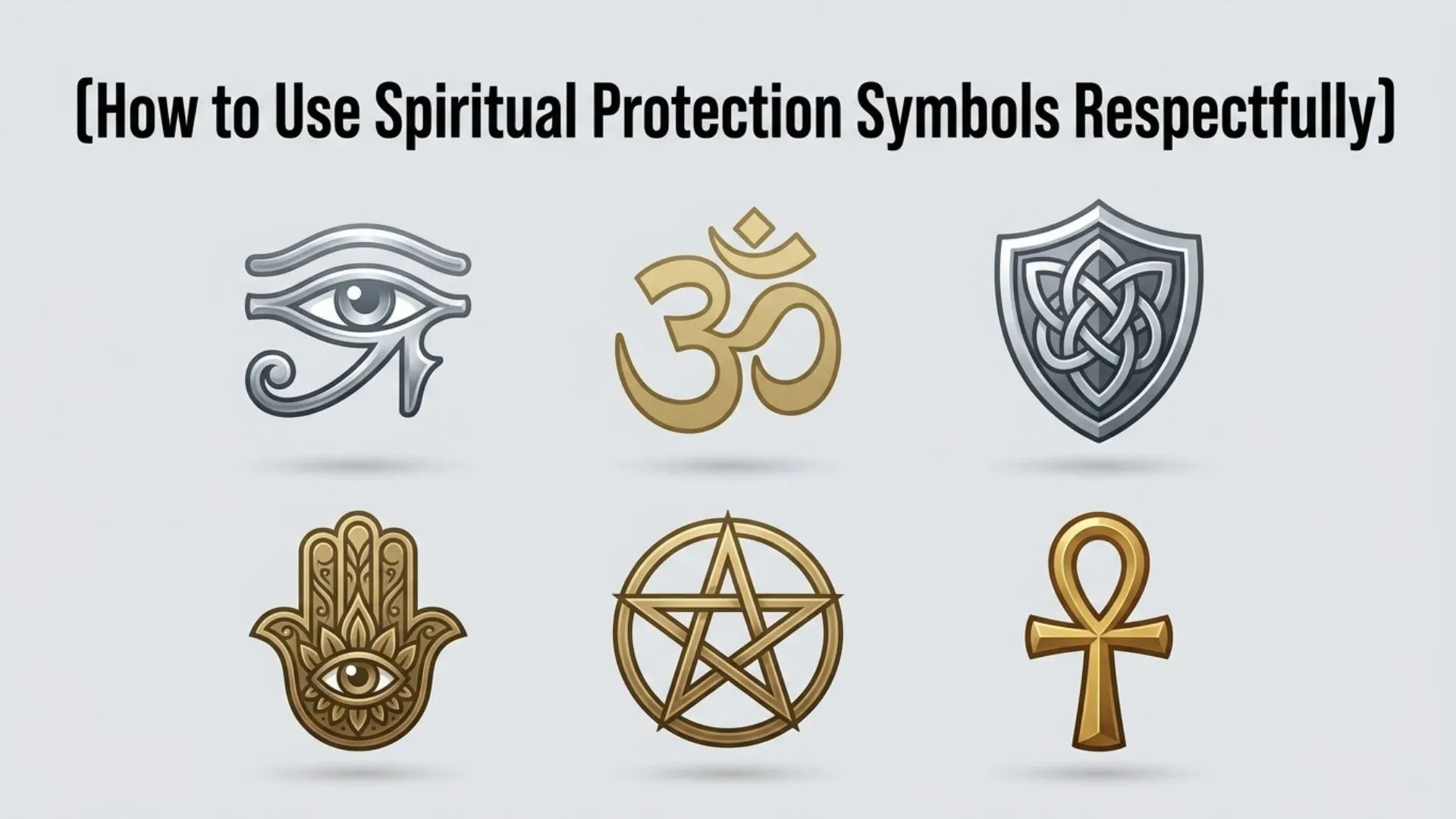
Using spiritual symbols thoughtfully shows respect for the cultures and religions from which they originate.
Learn Their History
Research each symbol’s origin before wearing or displaying it.
Understanding historical symbolism adds depth and prevents misunderstanding.
Respect Religious Traditions
Some symbols remain sacred within living religious communities.
Avoid using them in ways that could be considered disrespectful or trivializing.
Choose Meaningful Symbols
Select symbols that genuinely reflect your values rather than following trends.
A meaningful connection often makes the symbol more personally significant.
Support Authentic Artists
When purchasing jewelry or artwork, consider buying from artisans who understand the symbol’s cultural background.
Avoid Misusing Sacred Icons
Not every symbol is intended as a fashion accessory. Some belong in ceremonial or religious settings.
Interesting Facts
- The Hamsa Hand appears in several religious traditions with slightly different interpretations.
- The Eye of Horus was painted on ancient Egyptian boats for protection during travel.
- The Tree of Life exists in cultures across Africa, Asia, Europe, and the Americas.
- Sacred geometry symbols have inspired architecture for thousands of years.
- The Evil Eye symbol remains one of the world’s most widely recognized protective designs.
- Many ancient protection symbols predate written language.
- Some spiritual symbols have become popular digital graphics, although they are not official Unicode symbols.
- Museums around the world preserve artifacts featuring ancient protective signs dating back thousands of years.
Common Mistakes or Misconceptions
Believing Every Symbol Has Universal Meaning
Many symbols vary between cultures, religions, and historical periods.
Assuming Symbols Have Magical Powers
Most religious traditions emphasize faith, intention, and spiritual practice rather than treating symbols as objects with automatic supernatural abilities.
Ignoring Cultural Context
Understanding a symbol’s history helps prevent misuse and promotes respectful appreciation.
Confusing Similar Symbols
Several protection symbols appear visually alike but have entirely different origins and meanings.
Choosing Symbols Only for Appearance
Learning the symbolic significance ensures your choice aligns with your beliefs and values.
Frequently Asked Questions
What are spiritual protection symbols?
Spiritual protection symbols are sacred signs, icons, or visual representations associated with safety, guidance, faith, healing, and spiritual strength in different cultures and religions.
Which protection symbol is the oldest?
The Eye of Horus, Ankh, and various Mesopotamian protective symbols are among the oldest known examples, dating back thousands of years.
Are protection symbols connected to one religion?
No. Nearly every major religion and many Indigenous traditions have developed their own protective symbols.
Can anyone wear spiritual protection symbols?
Yes, but it is important to understand their cultural meaning and use them respectfully, especially when they remain sacred within living religious traditions.
Is the Evil Eye symbol considered lucky?
Traditionally, the Evil Eye symbol is believed to guard against harmful intentions and negative energy rather than simply bringing good luck.
Are spiritual protection symbols Unicode symbols?
No. While digital artwork may depict them, most spiritual protection symbols are cultural and religious visual representations rather than standardized Unicode characters.
Do these symbols still have meaning today?
Yes. Millions of people continue to use them as reminders of faith, hope, resilience, and cultural heritage, even if beliefs about their spiritual power differ.
Conclusion
Spiritual protection symbols have connected people with hope, courage, and faith for thousands of years. From the Hamsa Hand and Eye of Horus to the Tree of Life, Cross, Om, and Celtic Shield Knot, each symbol reflects the values, beliefs, and traditions of the cultures that created it. Their enduring appeal lies not only in their beautiful designs but also in their powerful symbolic representation of protection, resilience, and inner peace.
Whether displayed in a home, worn as jewelry, incorporated into meditation, or studied for their historical symbolism, these sacred signs continue to inspire people across the globe. By understanding their origins, traditional meanings, and cultural significance, you can appreciate these timeless symbols with greater knowledge, respect, and awareness.

Daniel Carter is a writer and researcher focused on symbols, their meanings, origins, and practical uses. He enjoys turning complex symbolic concepts into simple, easy-to-understand explanations for everyday readers. Through his work, Daniel explores cultural, technical, historical, and commonly used symbols, helping readers understand what they mean and where they are used.
His work includes The Complete Guide to Symbols, Understanding Symbols and Their Meanings, and A Visual Guide to Common Symbols.