
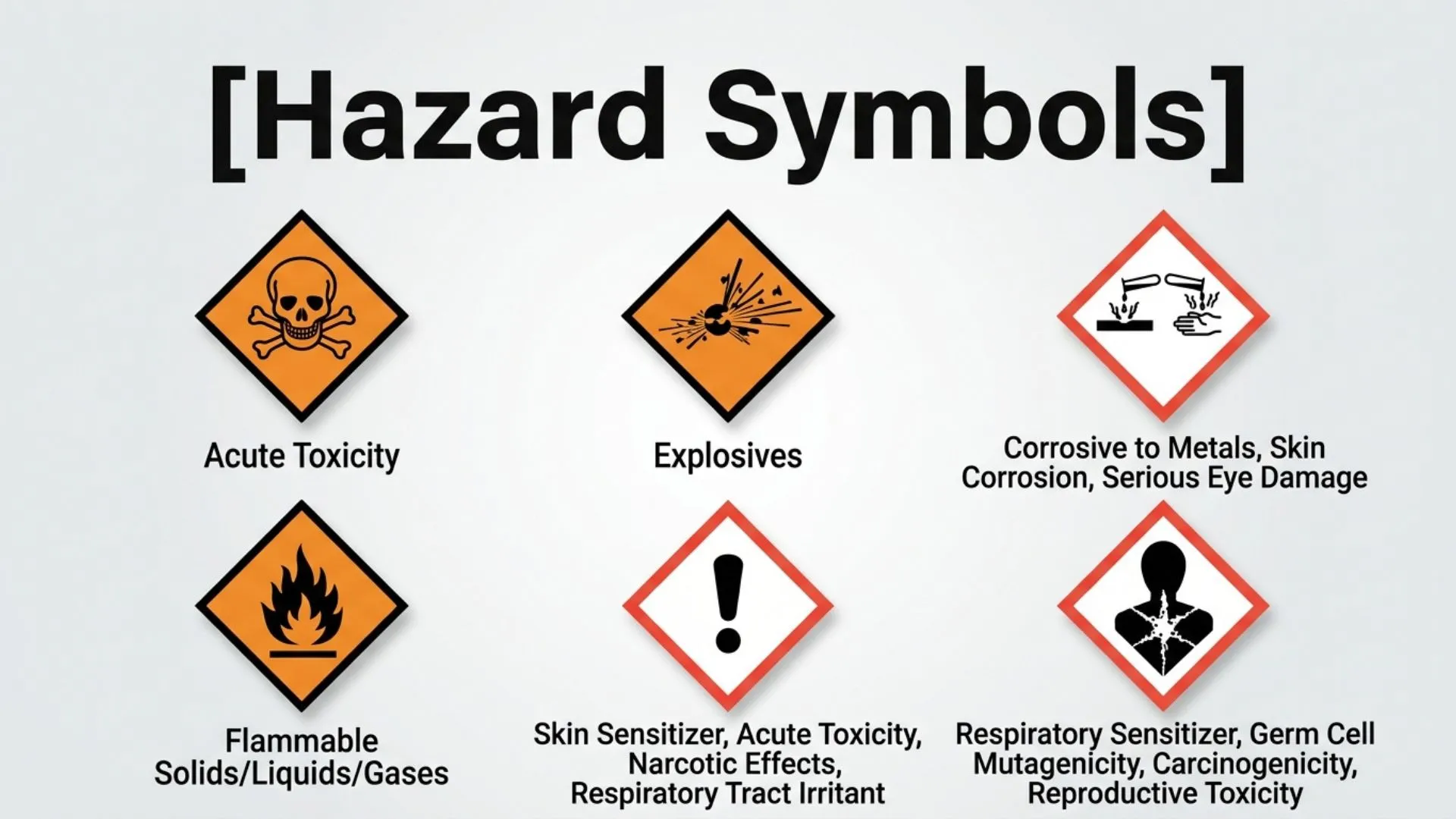
Hazard symbols are universal visual warnings designed to alert people to potential dangers before accidents happen. Whether you’re working in a laboratory, handling chemicals, operating machinery, transporting hazardous materials, or simply reading product labels at home, understanding hazard symbols can help prevent injuries, illnesses, and environmental damage.
These symbols are intentionally simple and easy to recognize, allowing people to understand risks regardless of their language or background. From the familiar skull and crossbones to the flame, biohazard, and radiation symbols, each icon communicates a specific type of danger and encourages appropriate safety precautions.
This comprehensive guide explains the meaning of hazard symbols, their history, major categories, real-world applications, and the importance of recognizing them correctly. By the end, you’ll understand not only what each symbol means but also how to respond safely when you encounter one.
Hazard Symbols (Meaning and Overview)
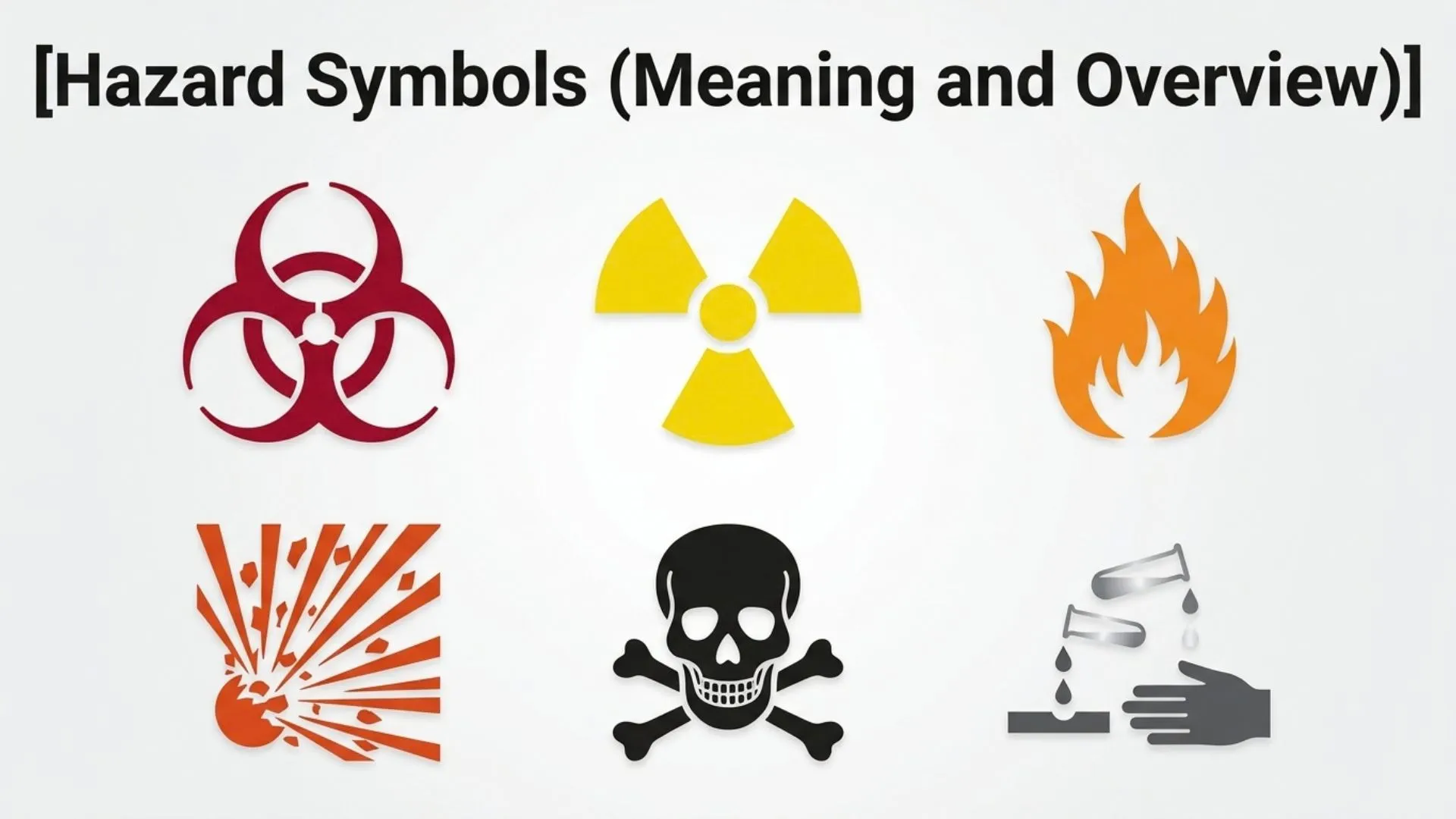
Hazard symbols are standardized visual representations used to identify dangerous substances, hazardous environments, or activities that pose risks to human health, property, or the environment.
A hazard symbol serves as a communication symbol by instantly conveying important safety information without relying on lengthy text. These icons are recognized internationally and appear on chemical containers, warning labels, transportation vehicles, workplaces, laboratories, industrial equipment, and consumer products.
Common hazard symbols warn about:
- Toxic substances
- Flammable materials
- Explosives
- Corrosive chemicals
- Oxidizing agents
- Radioactive materials
- Biological hazards
- Electrical hazards
- Environmental dangers
Modern hazard symbols are often standardized under international safety systems, ensuring consistent interpretation across industries and countries.
History and Origin
Humans have used warning signs for centuries, but modern hazard symbols developed alongside industrialization and scientific advancement.
Early factories often relied on written warnings, which proved ineffective for workers who spoke different languages or had limited literacy. As international trade expanded, organizations recognized the need for standardized safety icons.
During the twentieth century, governments and safety organizations introduced consistent warning signs for chemicals, electrical systems, transportation, and industrial workplaces.
Today, many chemical hazard labels follow the Globally Harmonized System (GHS), which uses standardized pictograms recognized in many countries. This system improves workplace safety by ensuring that hazard communication remains clear regardless of language.
Types, Variations, or Categories
Hazard symbols can be grouped according to the type of risk they represent.
Physical Hazard Symbols
These indicate dangers involving physical reactions or unsafe conditions.
Examples include:
- Explosive materials
- Flammable substances
- Oxidizers
- Compressed gases
- Self-reactive chemicals
Health Hazard Symbols
These warn about risks to human health.
Examples include:
- Toxic substances
- Carcinogens
- Respiratory hazards
- Skin irritants
- Corrosive chemicals
Environmental Hazard Symbols
These identify substances harmful to ecosystems.
Examples include:
- Aquatic toxicity
- Long-term environmental contamination
- Hazardous waste
Each category helps people identify specific risks and choose appropriate protective measures.
Common Hazard Symbols and Their Meanings
Flame Symbol
The flame pictogram indicates materials that can easily catch fire.
It may appear on:
- Fuel containers
- Solvents
- Aerosol products
- Alcohol-based chemicals
Examples include gasoline, ethanol, propane, and certain cleaning products.
When you see this symbol, keep the material away from heat, sparks, and open flames.
Flame Over Circle
This symbol represents oxidizing substances.
Although oxidizers may not burn themselves, they can intensify fires by supplying oxygen or promoting combustion.
Common examples include industrial oxidizers and certain laboratory chemicals.
Exploding Bomb
The exploding bomb warns of explosive hazards.
It applies to:
- Explosives
- Self-reactive substances
- Organic peroxides
Improper handling may result in violent explosions.
Gas Cylinder
The gas cylinder symbol identifies compressed, liquefied, or dissolved gases.
Examples include:
- Oxygen cylinders
- Carbon dioxide tanks
- Nitrogen containers
These containers require careful storage to prevent leaks or rupture.
Corrosion Symbol
The corrosion pictogram shows liquid damaging both a hand and metal.
It warns that a substance may:
- Cause severe skin burns
- Damage eyes
- Corrode metals
Examples include concentrated acids and strong alkalis.
Protective gloves and eye protection are essential when handling these substances.
Skull and Crossbones
The skull and crossbones is one of the oldest and most recognizable hazard symbols.
It indicates acute toxicity, meaning exposure may cause serious poisoning or death even in small amounts.
This symbol appears on highly toxic chemicals and pesticides.
Never handle these materials without proper training and protective equipment.
Exclamation Mark
The exclamation mark represents less severe health hazards.
It may indicate:
- Skin irritation
- Eye irritation
- Allergic skin reactions
- Respiratory irritation
- Harmful substances
Although these hazards are generally less severe than those marked with the skull and crossbones, appropriate precautions remain important.
Health Hazard Silhouette
This pictogram features a human silhouette with a starburst on the chest.
It warns of long-term health effects such as:
- Cancer
- Organ damage
- Reproductive toxicity
- Respiratory sensitization
- Genetic mutations
Repeated or prolonged exposure may increase health risks.
Environment Symbol
The environment pictogram shows a dead tree and fish.
It identifies chemicals harmful to aquatic ecosystems.
Proper disposal is essential to prevent environmental contamination.
Relevant Subsection: Biological Hazard Symbol
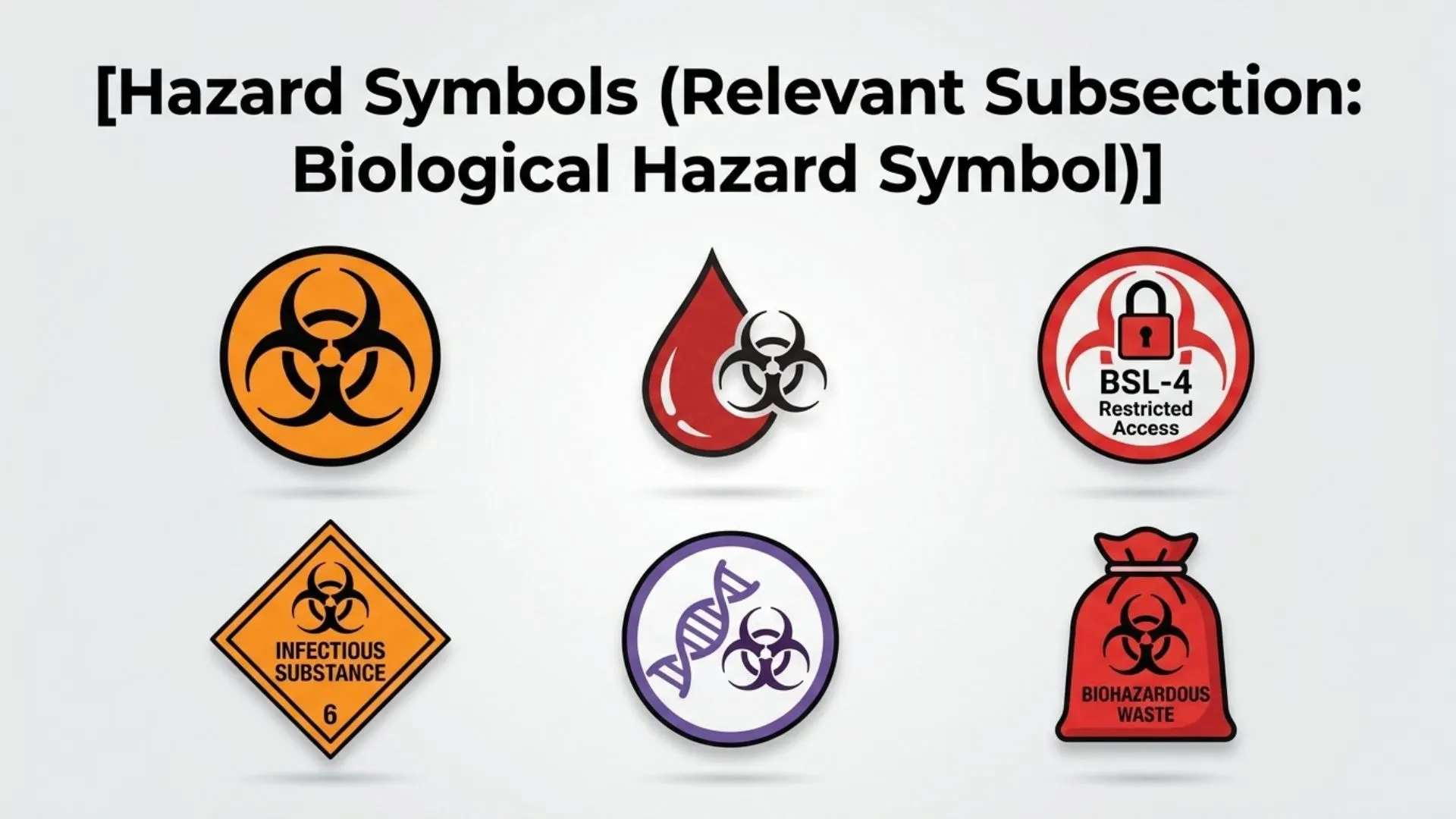
The biohazard symbol identifies materials containing infectious biological agents.
Examples include:
- Medical waste
- Laboratory samples
- Blood products
- Infectious microorganisms
Healthcare workers, laboratory personnel, and emergency responders encounter this symbol frequently.
Its purpose is to prevent accidental exposure to infectious diseases.
Relevant Subsection: Radiation Hazard Symbol
The radiation trefoil is an internationally recognized symbol for radioactive materials.
It appears in:
- Medical imaging facilities
- Nuclear power plants
- Research laboratories
- Industrial inspection equipment
The symbol warns people to avoid unnecessary exposure to ionizing radiation.
Strict safety procedures are required when working near radioactive materials.
Relevant Subsection: Electrical Hazard Symbol
Electrical hazard signs warn of high-voltage equipment capable of causing electric shock.
Common locations include:
- Electrical panels
- Utility substations
- Industrial machinery
- Power distribution systems
Only trained personnel should access areas marked with electrical hazard signs.
Common Uses and Applications
Hazard symbols appear in numerous settings.
Laboratories
Chemical containers, storage cabinets, and research equipment display hazard symbols to help researchers identify risks quickly.
Manufacturing
Factories use hazard signs to warn employees about dangerous machinery, chemicals, and high-risk work areas.
Transportation
Vehicles transporting hazardous materials display standardized warning symbols for emergency responders and the public.
Healthcare
Hospitals use biohazard and radiation symbols to identify potentially dangerous materials and specialized treatment areas.
Consumer Products
Many household products display hazard pictograms on labels, including:
- Paint removers
- Drain cleaners
- Pesticides
- Solvents
- Pool chemicals
Reading these labels helps consumers use products safely.
Symbolism, Significance, or Importance
Hazard symbols play a critical role in preventing accidents and protecting lives.
Their symbolic significance includes:
- Immediate risk communication
- Universal understanding
- Improved workplace safety
- Faster emergency response
- Reduced environmental harm
- Increased public awareness
Unlike decorative symbols or typography symbols, hazard icons are designed specifically to communicate safety information quickly and clearly.
Their standardized visual representation allows people from different countries and languages to recognize danger instantly.
How to Use Hazard Symbols Correctly
Understanding hazard symbols is only the first step. Safe behavior is equally important.
Read the Entire Label
A pictogram provides a quick warning, but the accompanying instructions explain safe handling, storage, and emergency procedures.
Wear Appropriate Personal Protective Equipment
Depending on the hazard, protective equipment may include:
- Safety glasses
- Gloves
- Respirators
- Face shields
- Protective clothing
Store Hazardous Materials Properly
Keep incompatible chemicals separated and store them according to manufacturer recommendations.
Follow Workplace Safety Procedures
Employers often provide training on hazard communication systems and emergency response plans.
Always follow established safety protocols.
Interesting Facts
- The skull and crossbones has been associated with poison for centuries.
- The biohazard symbol was intentionally designed to be unique and memorable while avoiding resemblance to existing symbols.
- Hazard pictograms are used in many countries, making them one of the world’s most recognizable safety communication systems.
- Some hazard symbols appear on everyday household products, not just industrial chemicals.
- The radiation trefoil was introduced in the mid-twentieth century and remains largely unchanged.
- Modern chemical labels often combine pictograms with signal words and precautionary statements for greater clarity.
- Standardized hazard symbols help emergency responders quickly assess risks during accidents or spills.
Common Mistakes or Misconceptions
Assuming Every Hazard Symbol Means Immediate Danger
Some symbols indicate long-term health risks rather than immediate injury.
Reading the accompanying label provides important context.
Ignoring Familiar Products
People often overlook hazard labels on household cleaners because they use them regularly.
Even common products should be handled according to safety instructions.
Confusing Similar Symbols
The health hazard silhouette and exclamation mark represent different levels and types of risk.
Understanding the distinction improves safety.
Believing Hazard Symbols Replace Instructions
Hazard symbols are designed to supplement not replace written safety information.
Always read the complete product label.
Assuming All Countries Use Different Symbols
Many countries now use standardized hazard pictograms, improving consistency in international trade and workplace safety.
Frequently Asked Questions
What are hazard symbols?
Hazard symbols are standardized warning icons that identify substances, equipment, or environments capable of causing harm to people, property, or the environment.
Why are hazard symbols important?
They communicate risks quickly, helping people recognize dangers and take appropriate safety precautions before accidents occur.
What does the skull and crossbones symbol mean?
It indicates acute toxicity and warns that a substance can be highly poisonous or fatal if swallowed, inhaled, or absorbed through the skin.
What is the difference between a hazard symbol and a warning sign?
A hazard symbol identifies a specific type of danger, while a warning sign may provide broader safety information, instructions, or restrictions.
Where are hazard symbols commonly found?
They appear on chemical containers, laboratories, industrial equipment, transportation vehicles, medical facilities, and many household products.
Are hazard symbols the same worldwide?
Many countries use internationally standardized pictograms, particularly for chemical hazards, although some local safety signs may vary.
What should I do if I see a hazard symbol?
Read the accompanying safety information, follow recommended precautions, use appropriate protective equipment, and avoid unnecessary exposure to the identified hazard.
Conclusion
Hazard symbols are essential tools for protecting people, workplaces, and the environment. Their simple yet effective visual design allows them to communicate complex safety information instantly, regardless of language or location. From flammable materials and toxic chemicals to biological hazards, radiation, and electrical dangers, each symbol represents a specific risk that should never be ignored.
By learning the meanings behind these internationally recognized icons, you can make safer decisions at home, in the workplace, during travel, and in emergency situations. Understanding hazard symbols is more than memorizing signs it’s an important step toward preventing accidents, promoting responsible behavior, and creating safer environments for everyone.

Ryan Mitchell is an independent writer with a strong interest in symbols, visual communication, and the meanings behind different signs and icons. His writing focuses on providing clear, accurate, and useful information that helps readers quickly understand unfamiliar symbols. Ethan covers a wide range of topics, from everyday and cultural symbols to technical and professional symbol systems.
His books include The World of Symbols, Symbols Explained Simply, and The Essential Symbol Reference Guide.