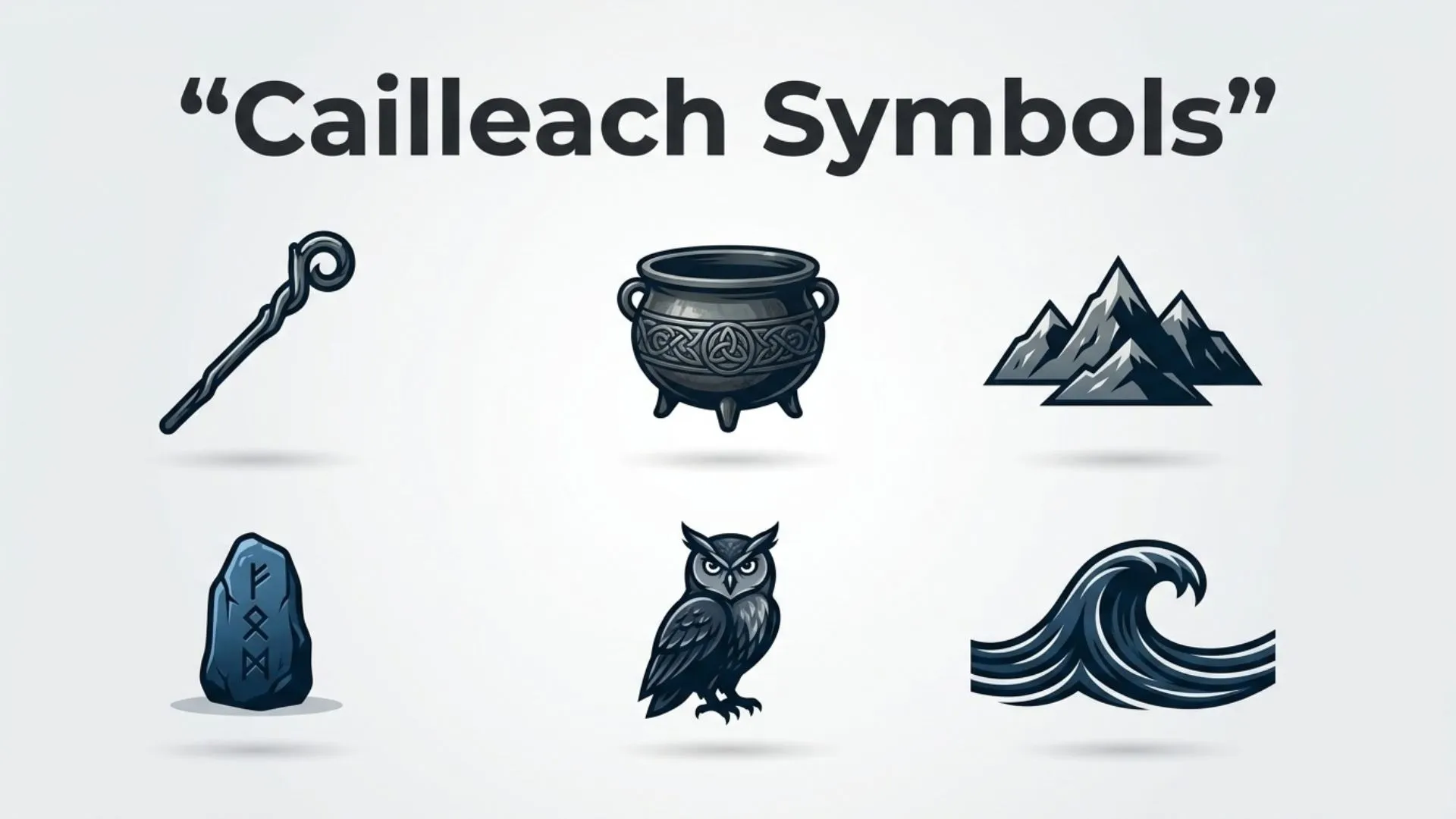
Cailleach symbols are deeply connected to ancient Celtic mythology, seasonal cycles, nature, wisdom, and the powerful figure known as the Cailleach. Often described as an ancient goddess, divine hag, or creator figure, the Cailleach appears in Irish, Scottish, and Manx folklore as a representation of winter, transformation, age, and the forces of nature.
Unlike modern symbols that are designed for quick communication, Cailleach symbols come from centuries of oral traditions, myths, and cultural practices. Their meanings developed through storytelling, landscapes, seasonal rituals, and connections between humans and the natural world.
Understanding Cailleach symbols requires looking beyond individual images. These symbols represent ideas such as renewal, wisdom, protection, death, rebirth, and the endless movement of time. Many are connected with mountains, stones, animals, weather, and seasonal changes.
This guide explores the origins, meanings, types, and modern uses of Cailleach symbols while examining their importance within Celtic culture and mythology.
Meaning and Overview of Cailleach Symbols
Cailleach symbols are visual representations, natural objects, and traditional motifs associated with the Cailleach, a powerful figure in Celtic mythology.
The name “Cailleach” comes from Gaelic traditions and is often translated as “old woman,” “hag,” or “veiled one.” However, these translations do not fully capture her importance. She is not simply a figure of old age but a complex character representing creation, destruction, wisdom, and transformation.
The symbol meaning behind Cailleach imagery often includes:
- The power of nature
- Winter and seasonal change
- Ancient wisdom
- Protection
- Transformation
- Death and rebirth
- The balance between destruction and creation
These symbols are not usually standardized icons like modern signs or Unicode symbols. Instead, they are cultural symbols passed through folklore, artwork, landscapes, and storytelling.
History and Origin of Cailleach Symbols
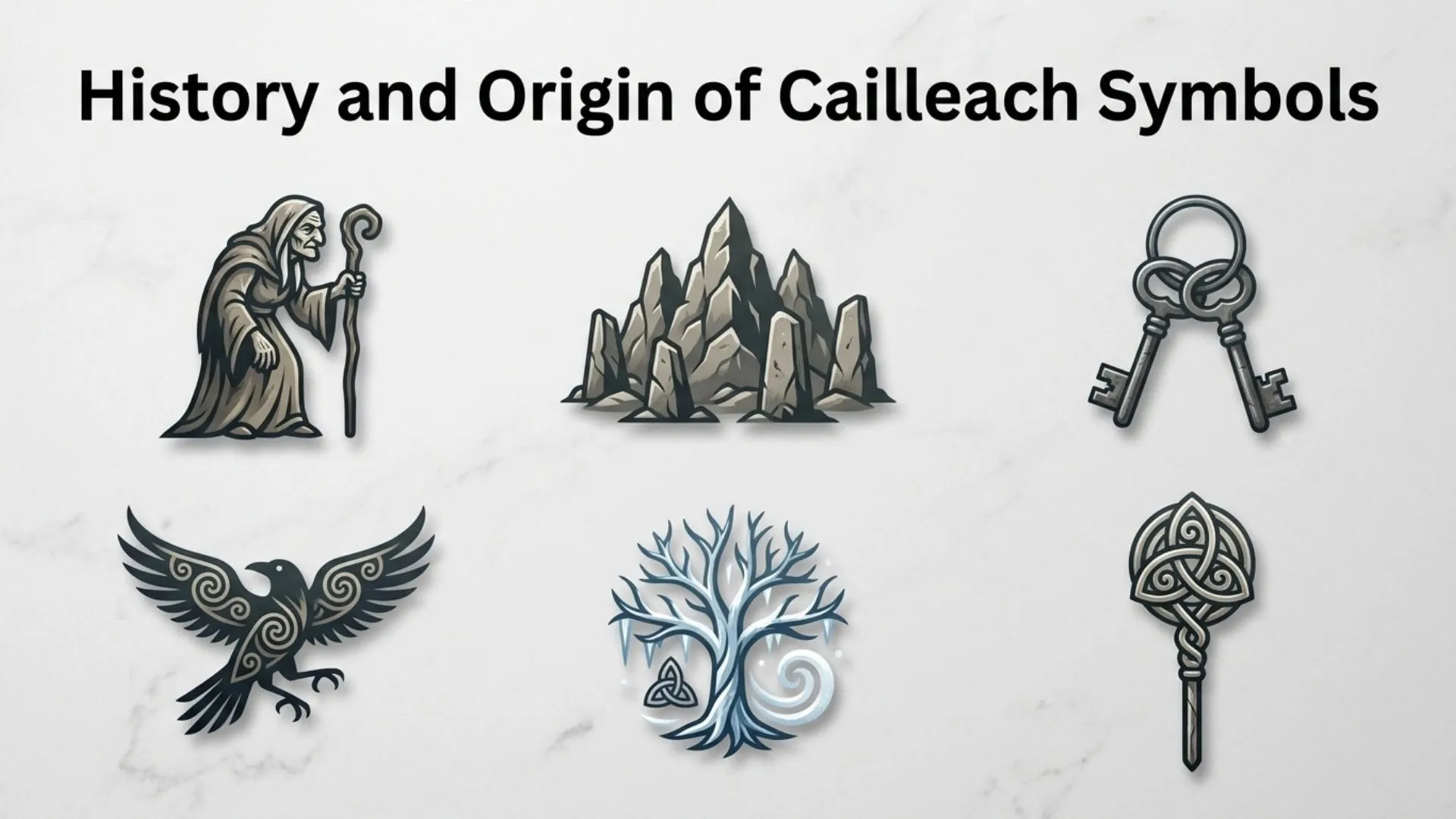
The origins of Cailleach symbols are found in Gaelic mythology, particularly traditions from Ireland, Scotland, and the Isle of Man.
Before written records became common, stories about the Cailleach were preserved through oral traditions. Communities passed down tales explaining natural events, seasonal changes, and sacred landscapes through generations.
The Cailleach was often associated with:
- Creating mountains
- Controlling storms
- Shaping landscapes
- Bringing winter
- Protecting animals
- Guiding seasonal transitions
In Scottish folklore, she is sometimes called the “Queen of Winter,” while Irish traditions often connect her with ancient places, stones, and landscapes.
Many Cailleach symbols developed from the natural world rather than from written designs. Mountains, stones, animals, and weather patterns became symbolic representations of her presence.
Major Cailleach Symbols and Their Meanings
The Stone and Standing Stones
Stone is one of the strongest symbols connected with the Cailleach.
Ancient stones and rocky landscapes are often linked with her because she is believed to have shaped the land itself.
Symbolic Meaning of Stones
Stones represent:
- Permanence
- Ancient wisdom
- Strength
- Memory
- Connection to ancestors
Many sacred stones throughout Celtic regions have legends connected to the Cailleach.
Some traditions describe her as carrying stones in her apron and dropping them across the landscape, creating hills and mountains.
The Mountain
Mountains are powerful Cailleach symbols because they represent her connection with the earth.
Meaning of Mountains
Mountains symbolize:
- Creation
- Stability
- Spiritual elevation
- The ancient power of nature
In Celtic storytelling, high places were often viewed as sacred locations where humans could connect with supernatural forces.
The mountain is a visual representation of the Cailleach’s role as a creator and guardian of the natural world.
The Staff
The Cailleach is frequently depicted carrying a staff.
Symbolism of the Staff
The staff represents:
- Authority
- Wisdom
- Power over nature
- Guidance
- Age and experience
Like many traditional symbols of elders, the staff reflects knowledge gained through time.
In some legends, the Cailleach uses her staff to freeze the land and bring winter.
The Winter Season
Winter is one of the most recognizable symbols associated with the Cailleach.
She is often connected with the darker, colder months of the year.
Symbolic Significance of Winter
Winter represents:
- Rest
- Reflection
- Endings
- Preparation
- Transformation
Rather than being viewed only as a negative force, winter symbolizes a necessary part of nature’s cycle.
The Cailleach reminds people that endings often create opportunities for renewal.
The Animal Symbols
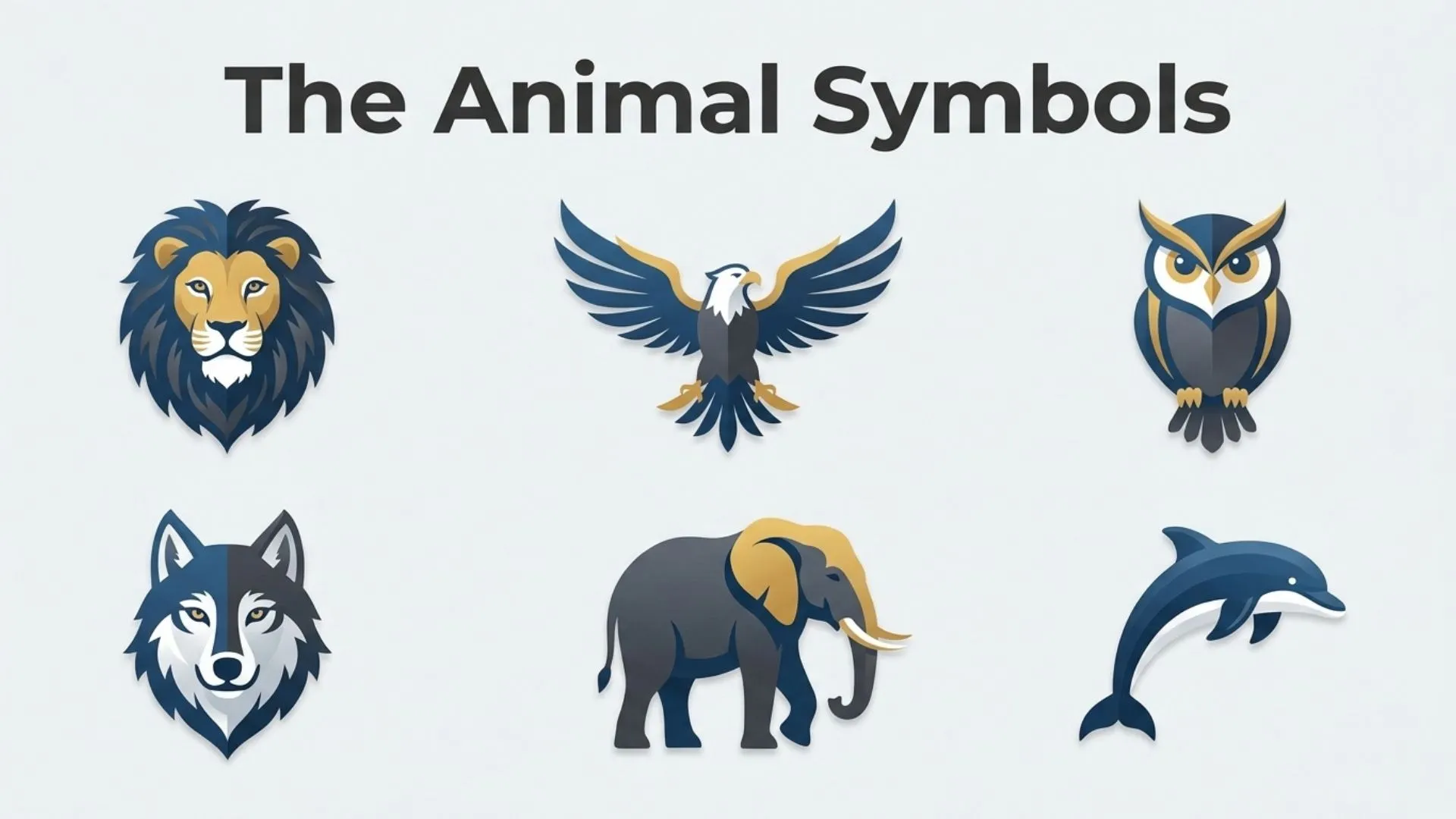
Animals connected with the Cailleach also carry symbolic meanings.
Common associations include:
- Deer
- Wolves
- Cattle
- Birds
- Wild creatures
Deer Symbolism
Deer represent:
- Connection with nature
- Freedom
- Spiritual awareness
Wolf Symbolism
The wolf represents:
- Strength
- Instinct
- Survival
- Independence
Animals connected to the Cailleach emphasize her role as a guardian of the natural world.
The Crow or Raven
Birds such as crows and ravens are often associated with wisdom and mystery in Celtic traditions.
Meaning of Raven Symbols
They symbolize:
- Knowledge
- Prophecy
- Transformation
- The connection between worlds
Because the Cailleach is linked with ancient wisdom, these birds fit naturally into her symbolic tradition.
The Hag Figure
The image of the old woman is central to Cailleach symbolism.
Although the word “hag” can sound negative today, the traditional meaning is much more complex.
Symbolism of the Cailleach Figure
She represents:
- Wisdom gained through age
- Female power
- Independence
- Life experience
- Transformation
The Cailleach challenges the idea that youth is the only form of beauty or strength.
Types and Categories of Cailleach Symbols
Natural Symbols
These symbols come from landscapes and the environment.
Examples include:
- Mountains
- Stones
- Storms
- Winter landscapes
- Rivers
They represent the Cailleach’s connection to the earth.
Seasonal Symbols
These relate to the changing cycles of nature.
Examples include:
- Winter
- Darkness
- Frost
- Seasonal transitions
They symbolize endings and new beginnings.
Mythological Symbols
These appear through stories and legends.
Examples include:
- Staff
- Animal companions
- Ancient woman figure
They communicate ideas about wisdom and power.
Spiritual Symbols
Some modern interpretations view Cailleach symbols as representing:
- Personal transformation
- Inner strength
- Acceptance of aging
- Connection with nature
Common Uses and Applications
Today, Cailleach symbols appear in many forms.
Common uses include:
- Celtic artwork
- Jewelry designs
- Tattoos
- Fantasy artwork
- Pagan and spiritual practices
- Literature
- Historical research
- Decorative symbols
- Cultural education
Artists often use Cailleach imagery to explore themes of nature, feminine power, and transformation.
Modern usage may vary significantly depending on whether the symbol is used for cultural appreciation, artistic expression, or spiritual practice.
Symbolism and Importance of Cailleach Symbols
The symbolic significance of Cailleach symbols comes from their connection to universal human experiences.
Wisdom and Aging
The Cailleach represents the idea that age brings knowledge and understanding.
Nature’s Cycles
She reflects the natural rhythm of life:
- Growth
- Decline
- Rest
- Renewal
Transformation
The Cailleach teaches that change is a necessary part of existence.
Balance
She represents both creation and destruction, showing that opposing forces can exist together.
How to Use Cailleach Symbols Respectfully
Learn Their Cultural Background
Before using Cailleach symbols in artwork or designs, understand their Gaelic origins.
Avoid Treating Them as Simple Decorations
These symbols carry historical and cultural meaning.
Understand Modern Interpretations
Different communities may interpret Cailleach imagery differently.
Use Symbols With Awareness
Respectful use involves recognizing the traditions behind the imagery.
Interesting Facts About Cailleach Symbols
- The Cailleach appears in folklore from Ireland, Scotland, and the Isle of Man.
- She is often connected with winter and seasonal change.
- Many Cailleach legends explain the creation of mountains and landscapes.
- The Cailleach is sometimes viewed as both a destroyer and creator.
- Some traditions connect her with the transition between winter and spring.
- She represents one of the most complex female figures in Celtic mythology.
- Cailleach imagery continues to inspire modern artists, writers, and spiritual communities.
Common Mistakes and Misconceptions
Thinking the Cailleach Is Only an Evil Figure
The Cailleach is often misunderstood. She represents power, wisdom, and transformation rather than simple evil.
Assuming She Is Only About Winter
Although strongly connected with winter, she also represents creation, renewal, and natural balance.
Treating Cailleach Symbols as Universal Icons
Unlike standardized symbols, Cailleach imagery comes from specific cultural traditions.
Ignoring Regional Differences
Irish, Scottish, and Manx traditions may describe the Cailleach in different ways.
Confusing Mythology With Historical Fact
Many Cailleach stories come from folklore and oral traditions rather than documented historical events.
Frequently Asked Questions
What do Cailleach symbols represent?
Cailleach symbols represent wisdom, nature, winter, transformation, creation, and the cycles of life.
Who is the Cailleach in Celtic mythology?
The Cailleach is a powerful Gaelic figure often described as an ancient woman associated with nature, storms, winter, and creation.
What does the Cailleach staff symbolize?
The staff represents wisdom, authority, power, and the ability to influence natural forces.
Why is the Cailleach associated with winter?
The Cailleach is connected with winter because she represents the colder season, rest, transformation, and nature’s changing cycles.
Are Cailleach symbols religious symbols?
They are primarily cultural and mythological symbols, though some modern spiritual groups incorporate them into personal practices.
What animals are associated with the Cailleach?
Animals such as deer, wolves, ravens, and cattle are sometimes connected with Cailleach traditions.
Can Cailleach symbols be used in modern art?
Yes. Many artists use Cailleach imagery as a symbolic representation of nature, wisdom, and transformation.
Conclusion
Cailleach symbols provide a fascinating connection to ancient Celtic mythology, natural landscapes, and timeless ideas about transformation and wisdom. From stones and mountains to winter imagery and animal symbols, each representation reflects the powerful relationship between humans and the natural world.
The Cailleach is more than a figure of winter or old age. She represents strength, knowledge, renewal, and the understanding that every ending can lead to a new beginning. By exploring the meanings behind Cailleach symbols, we gain insight into Celtic traditions and the universal themes that continue to inspire people today.

Ryan Mitchell is an independent writer with a strong interest in symbols, visual communication, and the meanings behind different signs and icons. His writing focuses on providing clear, accurate, and useful information that helps readers quickly understand unfamiliar symbols. Ethan covers a wide range of topics, from everyday and cultural symbols to technical and professional symbol systems.
His books include The World of Symbols, Symbols Explained Simply, and The Essential Symbol Reference Guide.